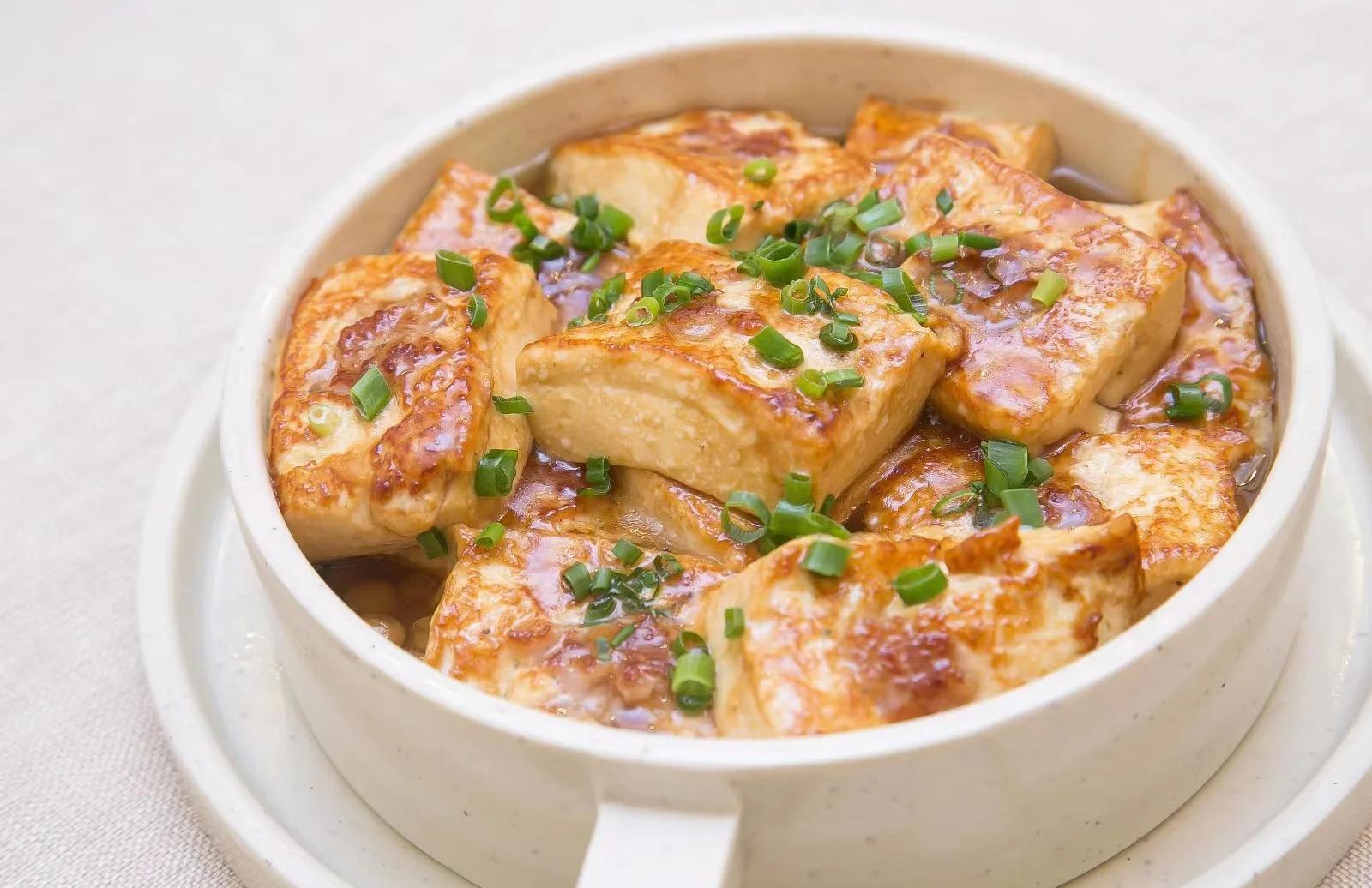
Hakka cuisine, also known as Dongjiang cuisine, can be divided into two regional schools in Guangdong: the Dongjiang school and the Meizhou school. Influenced by geography, local produce, and agricultural culture, the Hakka people excel at transforming simple, common ingredients into delicious dishes, characterized by rich flavors and generous use of oil.
Hakka Cuisine Feature 1: Simple and Rustic, with a Tradition of “Cooked Rice” and Starchy Foods
The Hakka people lead simple lives, with daily meals consisting mainly of plain rice and tea. While rice is their staple, other grains like sweet potatoes, taro, potatoes, peas, and broad beans make up nearly half of their diet. Additionally, the Hakka excel at making noodles, with rice noodles and glutinous rice noodles being essential staples in rural households.
Characteristic Two of Hakka Cuisine: Vegetarian-Based with Dried and Pickled Vegetables
Due to the mountainous terrain and limited transportation, the Hakka people developed a diet primarily centered around vegetarian dishes. Tofu is the most common ingredient in Hakka cuisine and the most frequently used staple. Hakka people favor dried vegetables, and meat is often sun-dried rather than smoked, including dried vegetables, bamboo shoots, and fish. Additionally, Hakka pickling methods are diverse, encompassing both dry and wet pickling, salty and sour flavors, showcasing an array of tastes.
Characteristic Three of Hakka Cuisine: Bold Flavors, Preference for Hot Dishes, and Emphasis on Poultry and Livestock
Hakka cuisine is characterized by its robust, hearty flavors and emphasis on preserving the natural essence of ingredients. Settled in mountainous regions with cold, high-altitude waters, Hakka people prioritize hot dishes over cold ones. Common cooking methods include pan-frying, deep-frying, stir-frying, braising, stewing, and baking. Due to their remote mountainous locations far from the sea, Hakka dishes predominantly feature poultry and livestock such as chicken, goose, duck, and pork.
Characteristic Four of Hakka Cuisine: Renowned Red Yeast Rice, a Passion for Wine and Mastery of Brewing
The transformation of rice into red yeast rice stands as a brilliant culinary innovation of the Hakka people, with Xingning producing the most renowned variety. Hakka people cherish wine and excel at brewing it. Their brewing tradition centers on sweet wines, most commonly yellow rice wine made from glutinous rice—a practice found in nearly every household. “Ginger Chicken Wine” serves as an indispensable nutritional tonic for Hakka women during their postpartum confinement period.
Characteristic Five of Hakka Cuisine: A Fondness for Pounded Tea, Rustic Simplicity and Authenticity
Pounded tea is the traditional tea that best embodies Hakka characteristics, with Dongjiang pounded tea being the most renowned. The tools used for preparation are a coarse mortar and pestle, and the primary ingredient is tea leaves—though they need not be of the highest grade.
Representative Hakka dishes include: Salt-baked Chicken, Stuffed Tofu, Stuffed Three Treasures, Preserved Vegetable Pork Belly, Rice Wine-baked Chicken, Braised Pork in Red Sauce, Steamed Bamboo Shoot Cake, Hakka Steamed Three Meatballs, Abacus Cake, Flavored Cellar Cake, Meijiang-style Stir-fried Pork Intestines, Hakka Egg Dumpling Hotpot, Three Treasures, Red Glutinous Rice Stewed Chicken, Three-Cup Chicken, Savory Pork Intestines, Meizhou Pickled Noodles, Xihe Mouse Rice Cake, Baohou Pancake, Bingcun Steamed Meatballs, Hakka-Style Chicken Stir-Fried with Rice Wine, etc.