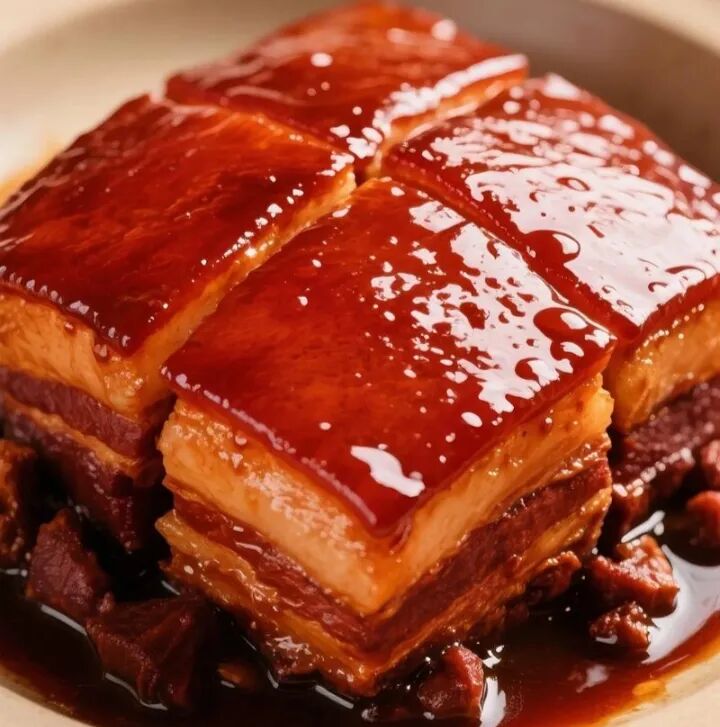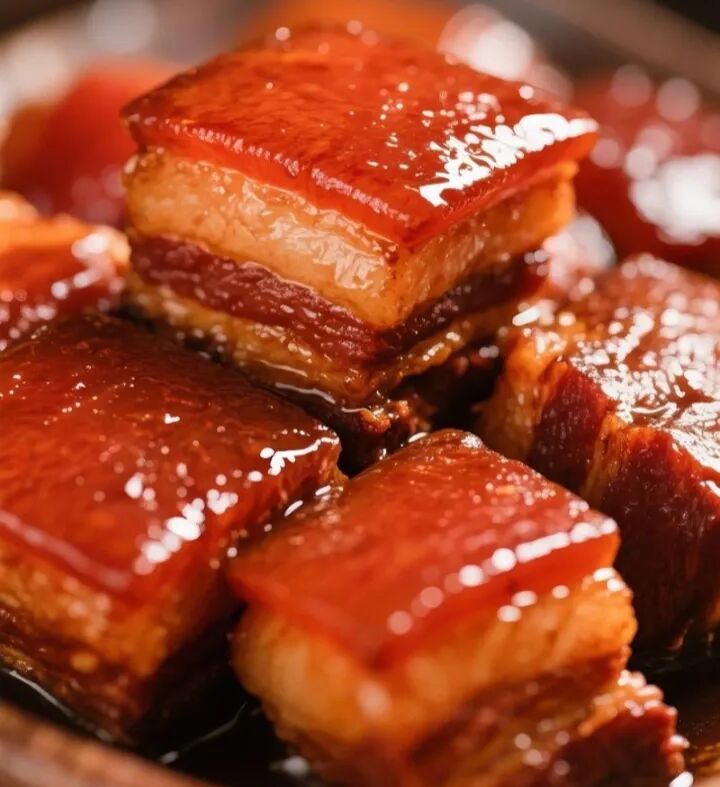
Dongpo Pork, also known as Braised Pork Belly or Dongpo-Style Braised Pork, ranks among China's ten most renowned historical dishes. It belongs to the Zhejiang, Sichuan, and Hubei culinary traditions. It is named after the Northern Song Dynasty literary figure Su Shi (pen name Dongpo Jushi). Legend has it that in the third year of Yuanfeng (1080), while exiled in Huangzhou, Su Shi refined the “Hui Zeng Rou” (Reciprocal Gift Meat) originally created during the flood relief efforts in Xuzhou (1077). The dish was perfected and popularized in Hangzhou in the fifth year of Yuanyou (1090). This dish features half-fat, half-lean pork as its main ingredient, prepared using a slow-cooking technique with minimal water and ample wine. The finished product boasts thin skin, tender meat, a bright red color, a melt-in-your-mouth texture without falling apart, and richness without greasiness, making it deeply beloved by people.
I. Ingredients and Seasonings Preparation
(1) Ingredient Selection
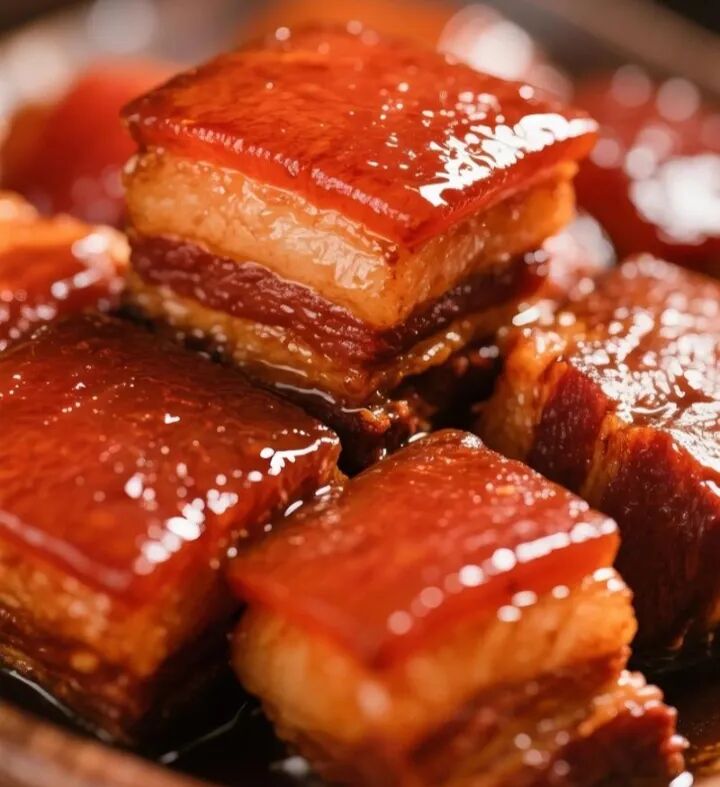
1. Pork Belly: Pork belly is the key ingredient for Dongpo Pork. Select fresh, well-marbled black pork ribs with distinct layers. The ideal texture is tender and juicy, with a “three-to-two” fat-to-lean ratio, and a thickness of at least 5 cm. Control individual pieces to approximately 4×4 cm (about 200 grams). This size allows the meat to absorb flavors effectively and maintain its shape during cooking.
2. Other Ingredients: Prepare supporting ingredients like scallions, ginger, and garlic. Use scallions (cut into sections), ginger (sliced), and garlic (whole cloves). These ingredients help reduce any gamey flavor and enhance aroma.
(II) Seasoning Preparation
1. Shaoxing Wine: Select aged Shaoxing wine matured for at least three years, ideally with an amber hue. This wine plays a pivotal role in Dongpo Pork, not only eliminating odors but also imparting a rich, mellow flavor that melds with the meat's natural aroma to create a distinctive flavor foundation.
2. Soy Sauce: Opt for traditionally brewed “mother-and-child soy sauce,” which imparts deeper color and richer flavor, enhancing the meat's visual appeal. Alternatively, combine dark soy sauce for coloring and light soy sauce for umami.
3. Rock Sugar: Opt for traditional yellow rock sugar from Guangxi, which contains higher mineral content. This enhances the meat's brightness and produces a distinctive caramel aroma during cooking, enriching the overall flavor.
4. Spices: Prepare 3g cinnamon bark, 2 star anise pods, 1 bay leaf, 1 cardamom pod, and a suitable amount of hawthorn berries (to promote tender meat). Wrap these spices in cheesecloth to form a spice pouch for easy removal after cooking.
5. Additional seasonings: Prepare an appropriate amount of Sichuan peppercorns to remove any gamey odor during blanching.
II. Preliminary Preparation
(1) Searing the Skin
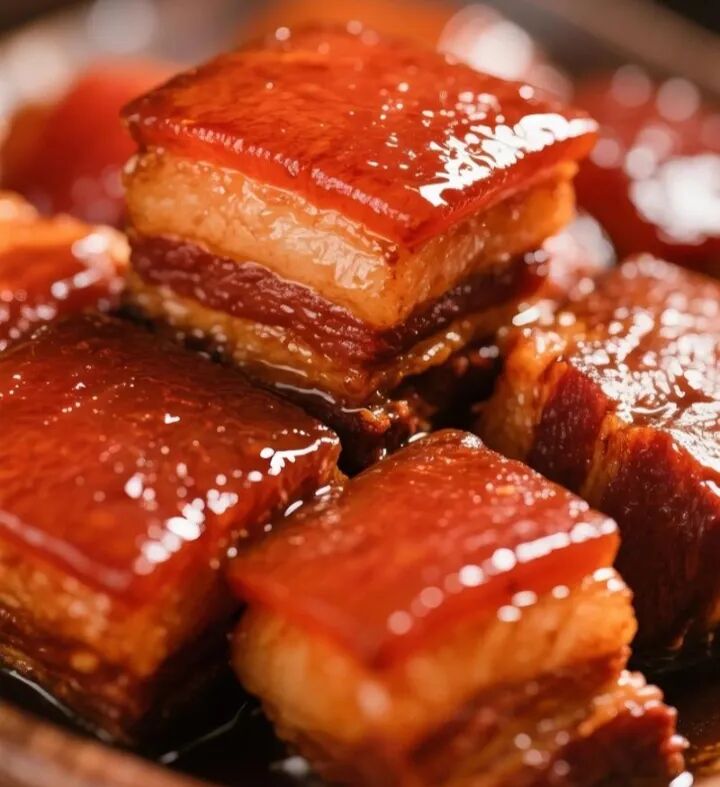
Place selected pork belly pieces skin-side down in a preheated iron skillet and dry-sear until the skin turns golden brown and blisters. Scrub clean afterward. This step effectively breaks down hair follicles, removes any gamey odor, and creates micro-pores in the skin layer for better flavor absorption later. Pay close attention to heat control to avoid burning the skin, which affects both texture and appearance. After roasting, thoroughly scrub the skin with a steel wool pad or brush to ensure a clean surface.
(2) Shaping and Blanching
Place the prepared pork pieces in cold water with a scallion knot, ginger slices, and 10 Sichuan peppercorns. Bring to a vigorous boil, skim off the foam, and continue boiling for about 8 minutes. This process firms the meat texture, removes blood water, and eliminates impurities. Monitor the scum during blanching and skim it off promptly to ensure effective blanching. Remove the meat chunks, rinse thoroughly under cold water, drain well, and set aside.
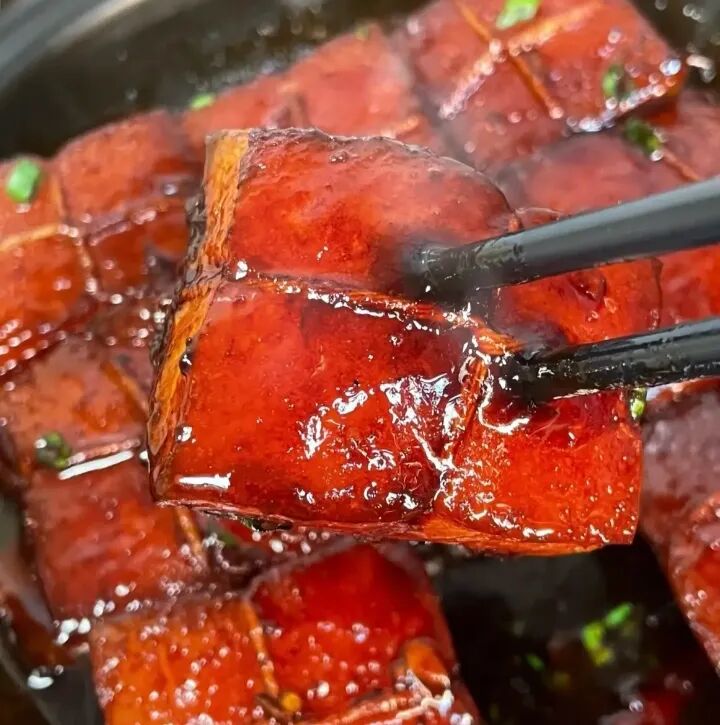
III. Cooking Process
(1) Braising
1. Prepare the clay pot: Select a clay pot of appropriate size. Arrange the blanched meat pieces neatly in the pot with the skin side down. The clay pot's excellent heat retention ensures even cooking and helps preserve the meat's natural flavor.
2. Add Seasonings: Pour in sufficient Shaoxing wine (to fully submerge the meat), appropriate amounts of soy sauce, rock sugar, and the spice pouch. Adjust soy sauce and rock sugar quantities to taste—increase for deeper color or sweeter flavor.
3. High to Low Heat: Cover the pot. Bring to a boil over high heat, then reduce to low heat and simmer for about 2 hours. During simmering, monitor the heat carefully to maintain a gentle “bubbling” state (around 85°C). Excessive heat will toughen the meat. At this stage, the wine and meat aromas fully integrate, forming a unique flavor base. Gently rock the clay pot occasionally to ensure even heating, but avoid frequent lid removal to preserve the aroma.
(II) Steaming
1. Transfer to Clay Pot: Carefully move the braised meat chunks into a clay pot, covering them with the original braising liquid. The clay pot's breathability allows the meat to better absorb the broth's flavor during steaming.
2. Cover with plastic wrap and steam: Seal the clay pot tightly with plastic wrap and steam in a steamer for 1.5 hours. The steam's heat further emulsifies the fat, achieving the pinnacle of “rich yet not greasy.” Strictly control the steaming time: insufficient time results in incomplete fat emulsification and greasiness; excessive time may overcook the meat, causing it to lose shape.
(III) Reducing the Sauce
1. Drain the steaming liquid: Pour the liquid from the steamed clay pot into a wok, taking care not to include the meat chunks.
2. Simmer over medium heat: Bring the liquid to a medium heat and simmer until it reaches a spoon-coating consistency (approximately 103°C, or a syrupy state). Stir constantly to prevent scorching. When the sauce thickens and coats the spoon, reduction is complete.
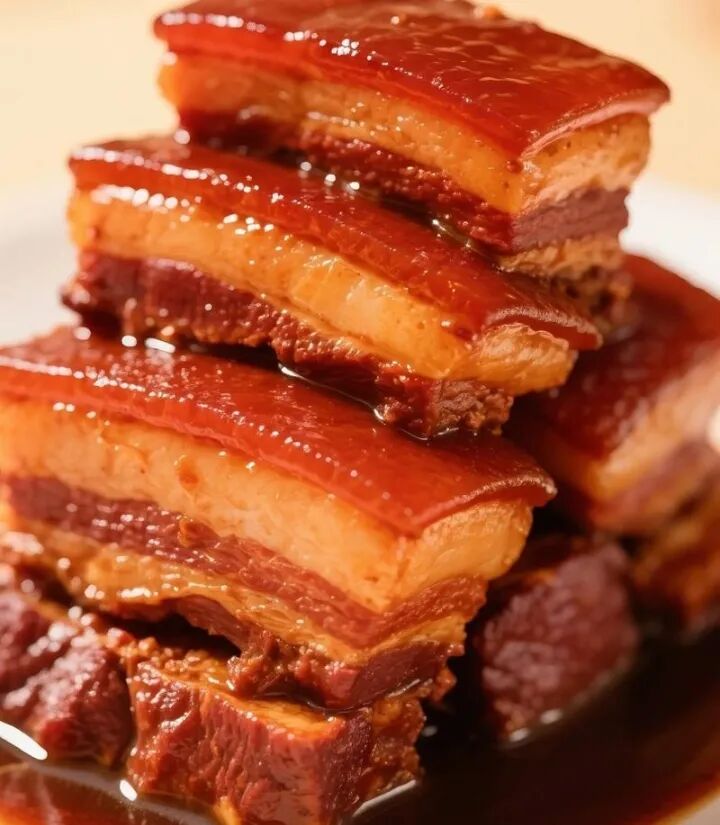
3. Glaze and Plate: Pour the reduced sauce back over the meat to form a glossy, translucent glaze (“glass glaze”), enhancing the dish's visual appeal. Carefully transfer the Dongpo pork to a serving plate, ensuring the meat retains its shape.
IV. Important Notes
(I) Ingredient Selection
1. Pork Belly Selection: Choose fresh pork belly with distinct marbling and an appropriate fat-to-lean ratio—this is crucial for achieving the ideal texture of Dongpo Pork. Avoid overly lean or fatty cuts: lean meat tends to become tough during stewing, while excessively fatty cuts result in an overly greasy dish.
2. Seasoning Quality: The quality of seasonings like Shaoxing wine, soy sauce, and rock sugar significantly impacts Dongpo pork's flavor. Opt for premium Shaoxing wine, traditionally brewed soy sauce, and Guangxi-style rock sugar to guarantee the dish's authentic taste.
(II) Cooking Techniques
1. Heat Control: During the braising stage, maintain a gentle simmer to keep the broth at a “bubbling” state, preventing excessive heat from toughening the meat. When steaming, also monitor heat and timing to ensure fats fully emulsify, achieving a “rich yet not greasy” texture.
2. Caramelization Technique: Add rock sugar in three stages. Incorporate a portion during initial braising to enhance sweetness and color; add more midway for deeper sweetness; and adjust the final amount based on the broth's sweetness and hue to achieve distinct layers of sweetness.
(3) Sanitation
Maintain strict hygiene throughout preparation. Thoroughly clean cutting boards and knives used for meat to prevent cross-contamination. Ensure both blanching and stewing liquids are clean to guarantee food safety for Dongpo Pork.