Henan, the birthplace of Central Plains culture, boasts Henan cuisine that embodies the essence of “harmonious blend of five flavors and balanced taste.” It combines the refinement of imperial dishes with the earthy charm of everyday life. Each of these authentic Henan dishes carries the wisdom and nostalgia of the people of Henan:
I. Braised Lamb in Spicy Sauce:
Xinxiang's Signature Dish, the Perfect Fusion of Northern and Southern Hotpot! The lamb is stewed until tender and flavorful, the broth spicy, numbing, and aromatic. Each bite reveals layers of tenderness, crispiness, and melt-in-your-mouth texture. It warms the stomach in winter and induces sweating in summer. Legend has it that this dish was invented by Korean War veteran Li Wuqing, blending the essence of Sichuan hotpot and Beijing-style lamb shabu-shabu. When it swept through Henan, it caused such a sensation that the saying went: “Where the red braising smoke billows, no lamb remains at the morning market.”
II. Peony Bird's Nest Salad
The signature dish of Luoyang's Water Banquet, proving radishes can rival bird's nest! Shredded white radish impersonates bird's nest, paired with broth, sea cucumber, squid, and other ingredients. Finished with an egg-carved peony blossom as garnish. Legend has it Empress Wu Zetian praised it, while Premier Zhou Enlai hailed it as “a peony blooming among dishes.” Tangy and spicy to stimulate the appetite, with a rich and savory broth—this dish is undoubtedly the pinnacle of vegetarian cuisine.
III. Bianjing Roast Duck:
The Ancestor of Beijing Roast Duck! In the Northern Song Dynasty, people in Kaifeng roasted duck over jujube wood charcoal, achieving crispy skin and tender meat. Served with sweet bean sauce, Chinese mint leaves, and high-oven flatbreads, each bite bursts with the authentic flavor of ancient Bianjing. Predating Beijing roast duck by 800 years, even Lu Xun favored it when entertaining guests.
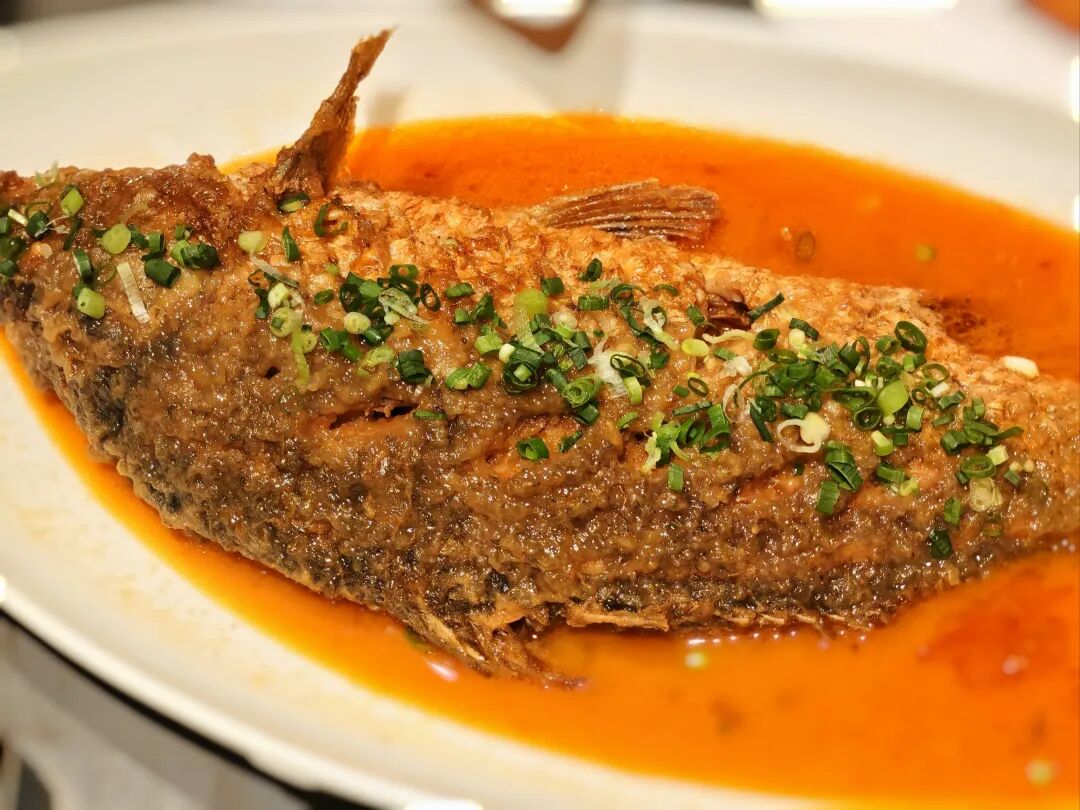
IV. Braised Yellow River Carp
The crowning dish of Henan banquets! Wild Yellow River carp is deep-fried until crispy on the outside and tender within, then slowly simmered for half an hour in a fragrant broth infused with scallions and ginger, allowing the fish to absorb the rich flavors. This dish graced imperial tables during the Northern Song Dynasty and has even been served at United Nations banquets.
V. Hot and Cold Meat Strips with
Mustard Jelly in One Pot! A signature dish from Changyuan chefs: Top layer features stir-fried celery with pork strips, Bottom layer holds chilled mustard jelly sheets. Pour the hot dish over—the jelly soaks up the meat juices. Sesame paste and garlic aroma blend with the mustard's kick, making it a perfect accompaniment to drinks. Locals insist: “Without enough mustard, it just isn't right!”
VI. Crispy Pork Belly:
The “Poor Man's Peking Duck” That's So Delicious You'll Lick Your Fingers! This dish transforms pork belly through four steps: boiling, marinating, steaming, and deep-frying. The result is a skin as crispy as Peking duck, with tender, juicy meat inside. Dip it in sweet bean sauce, wrap it around scallion strips, and even Empress Dowager Cixi declared it “better than Peking duck.”
VII. Pan-Fried Grass Carp Head and Tail
Though named “head and tail,” this dish does not use only the head and tail but includes substantial portions of fish meat. Renowned throughout Central China since the late Qing Dynasty and early Republic era, it has long been celebrated for its “unique flavor.” The head is crispy, the meat tender, and the aroma rich and mellow. In the early years of the Republic, Kang Youwei, while studying in Bianjing (Kaifeng), tasted this dish and praised it as “a flavor rivaling the renowned Houqin fish.”
Some of these dishes have graced state banquets, while others remain hidden gems in humble street stalls. Yet they share a common trait: no frills, just hearty simplicity. Though Henan cuisine isn't counted among China's Eight Great Culinary Traditions, it stands as the “mother of the Eight Great Traditions.” With a bowl of soup, a piece of meat, and a flatbread, the people of Central China have simmered millennia of history into the everyday flavors of their lives.