The Silk Road of Taste
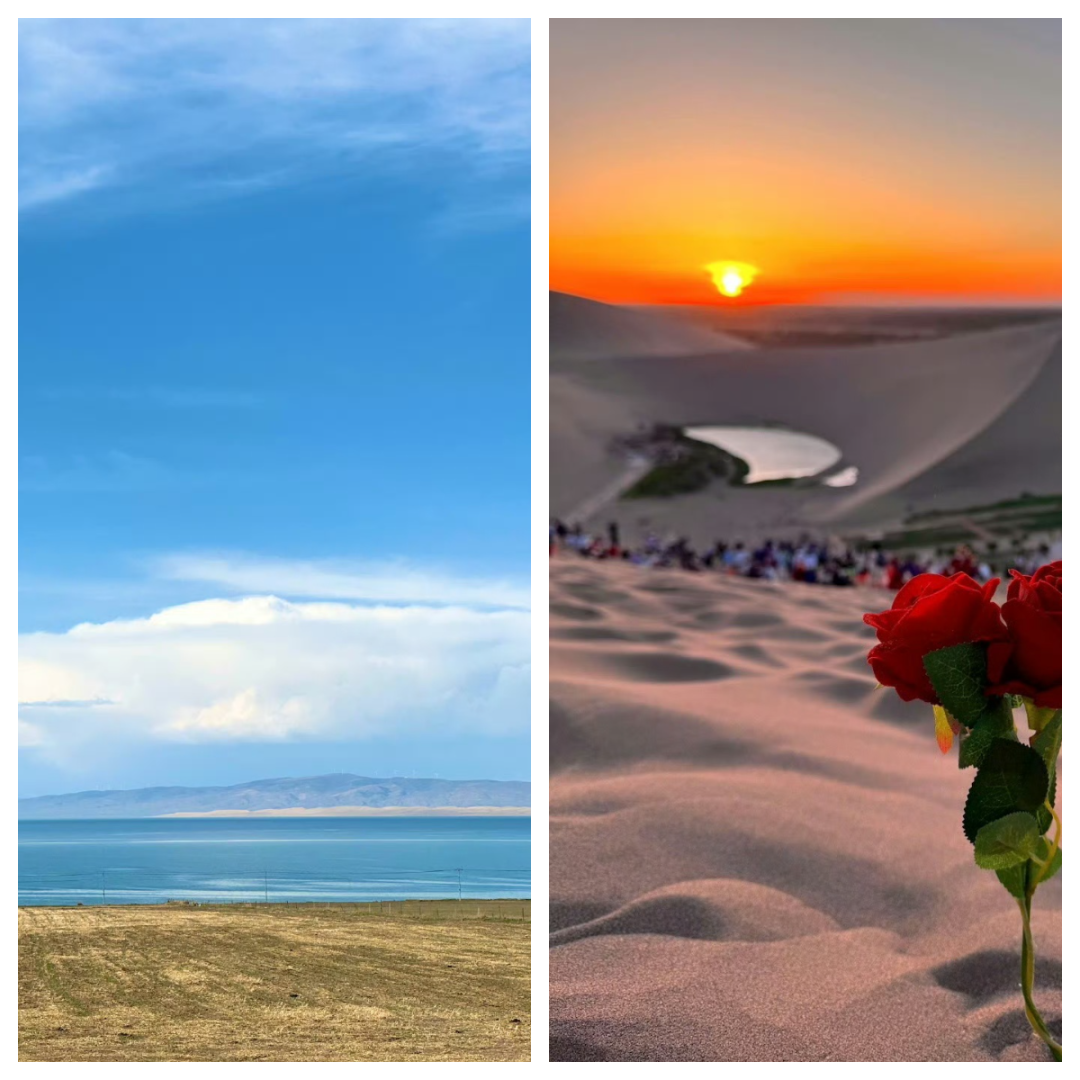
As wheels roll over the azure waves of Qinghai Lake, as footsteps traverse the sand dunes of Dunhuang, an invisible thread tugs at the traveler's heart—the call of Northwest China's cuisine. The Qinghai-Gansu Grand Loop is not merely a feast for the eyes, but a pilgrimage for the palate. Today, let us step away from the majestic landscapes and into the bustling streets, seeking out those flavors of Northwest China that haunt the dreams of countless travelers.
I. Qinghai Chapter: Taste Totems of the Plateau
1. Wild Ways to Savor Yak Meat
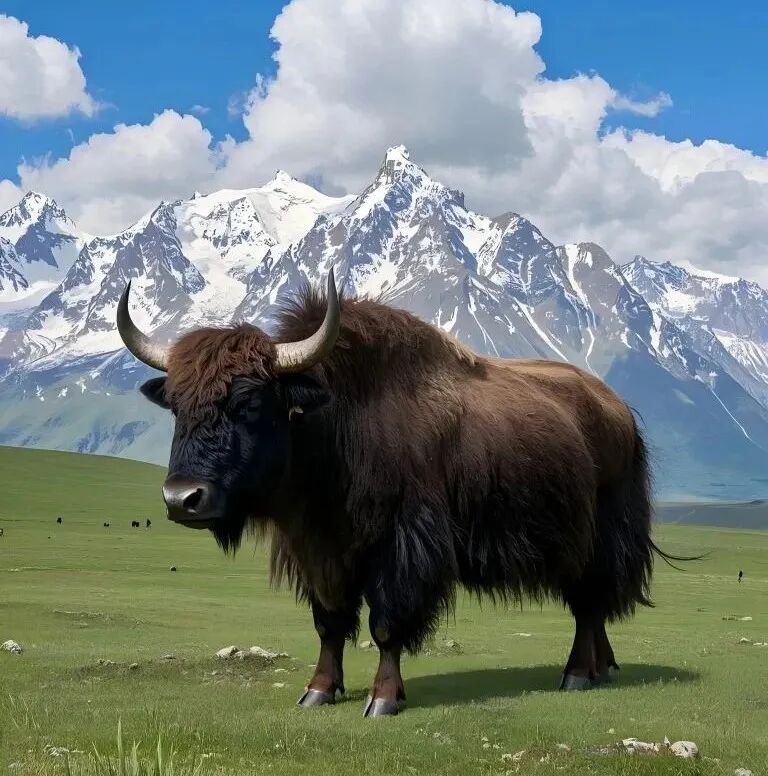
At altitudes above 3,000 meters, yak meat reigns supreme as the protein king of the plateau. The Qinghai people's bold approach to yak meat is evident in their upgraded version of “hand-pulled mutton”—the “hand-pulled yak meat.” Large chunks of bone-in beef are boiled in clear water, then generously sprinkled with coarse salt. The meat remains firm yet tender, carrying the distinctive freshness of high-altitude pasture grasses.
A more refined approach is “boneless yak beef,” where bone-in cuts are stewed until meltingly tender. After consuming the meat, the intact bones are returned, with payment calculated by bone weight—a Northwest Chinese version of “honest eating.” Meanwhile, yak hotpot is winter's ultimate comfort. Sliced meat dipped in a wild sauce made with chive blossoms and fermented tofu warms both body and soul.
2. The Philosophy of Yogurt: Xining Old-Fashioned Yogurt
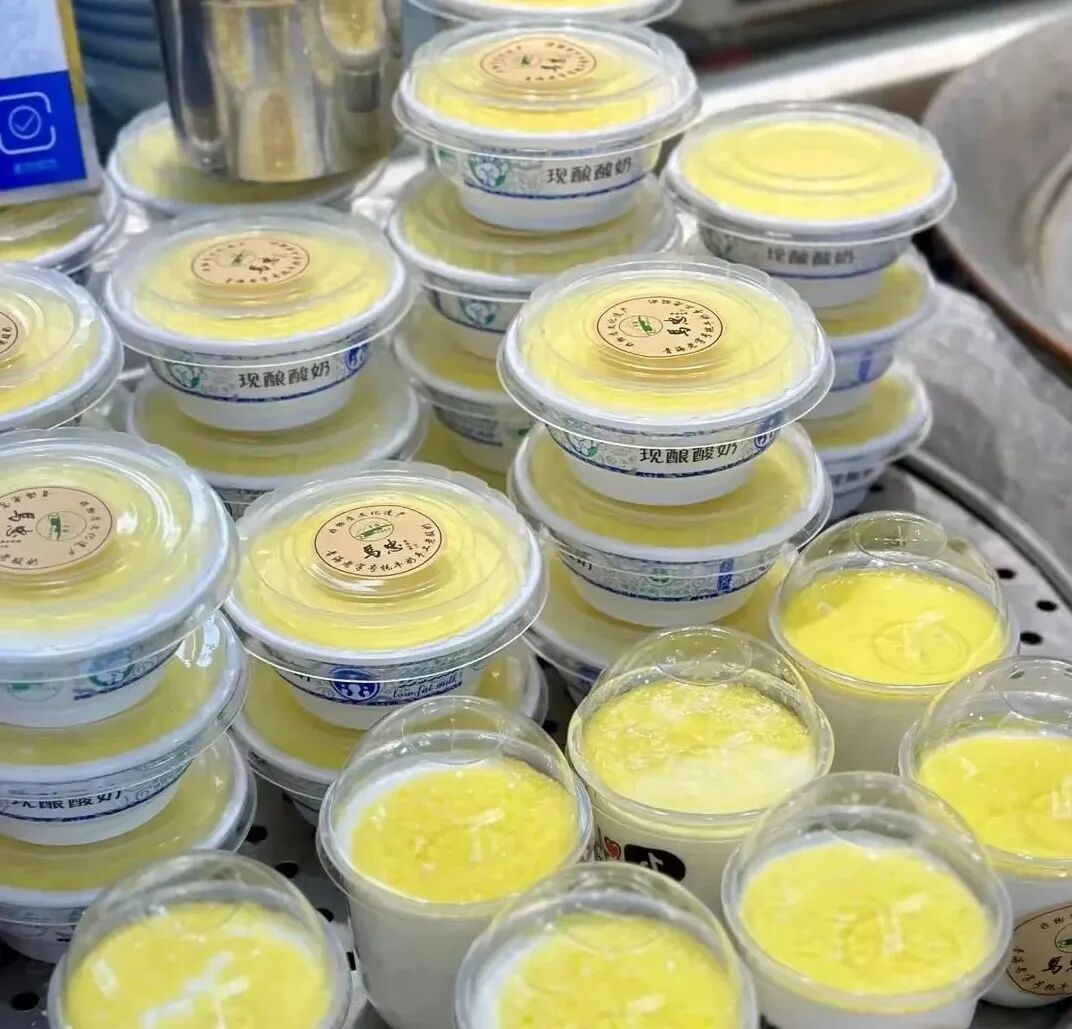
Xining Old-Fashioned Yogurt will redefine everything you thought you knew about yogurt. A golden milk skin forms on the surface, and when you scoop it out, it trembles like soft tofu. The tangy flavor makes your eyes squint at first, followed by a lingering sweetness. Locals sprinkle it with white sugar or drizzle honey over it, then sit on small stools along Moji Street. A bowl of yogurt paired with a steamed bun makes for the most authentic afternoon tea experience.
3. The Art of Noodle Cuts: Ga Mian Pian and Firecracker Noodles
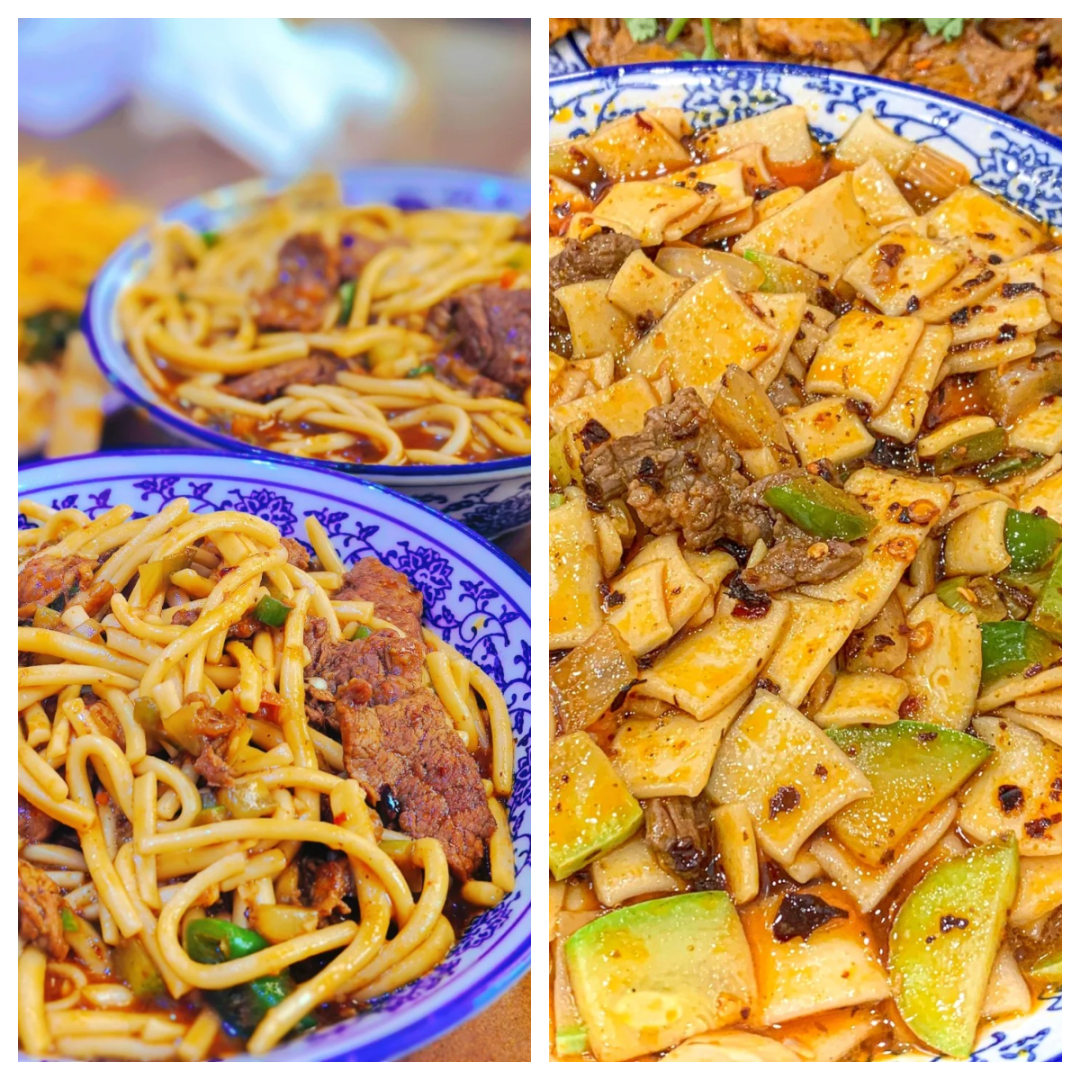
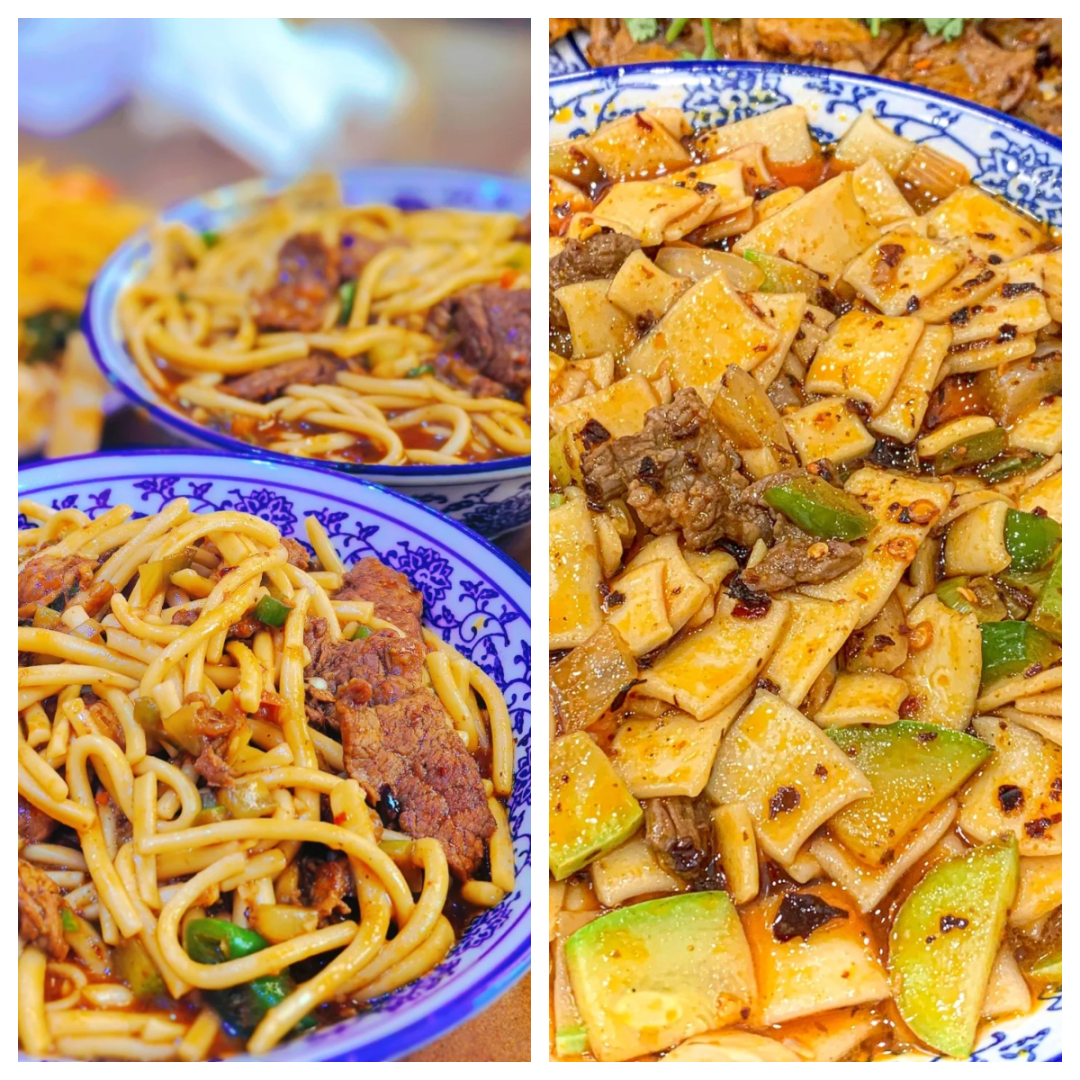
Qinghai locals have perfected the art of noodle-making. “Gamianpian” involves pinching dough into nail-sized pieces, then stewing them with lamb and potatoes in a single pot. The noodles soak up the broth yet remain delightfully chewy. “Firecracker Noodles” get their name from their shape—short, thick strands served with pickled cabbage and lamb sauce. Just before eating, a spoonful of hot oil is poured over them. With a sizzling “crack,” it sounds like firecrackers going off, instantly releasing an explosion of aroma.
II. Gansu Chapter: A Thousand-Year Flavor of the Hexi Corridor
1. Dawn in Dunhuang: Hezhi Soup and Donkey Meat Yellow Noodles
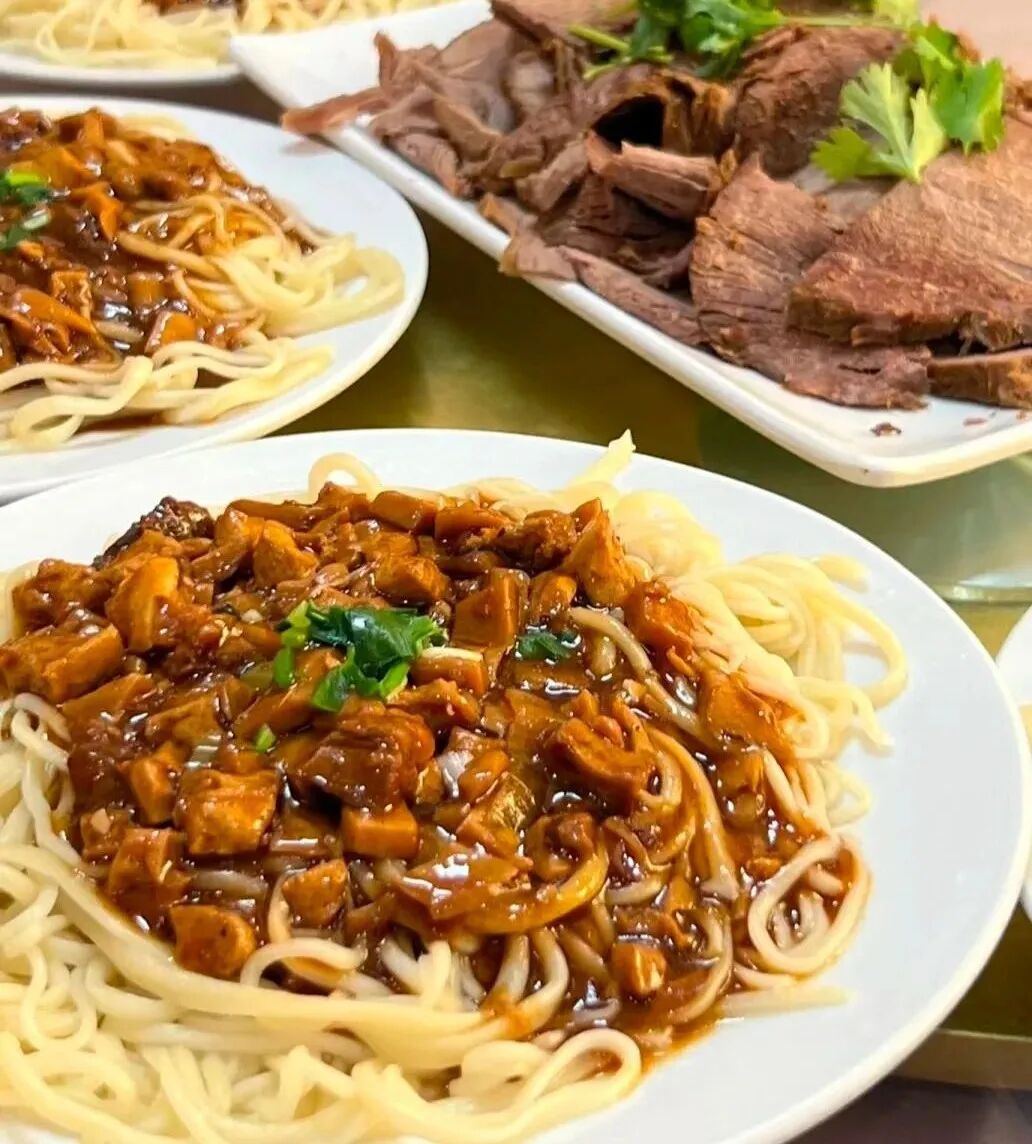
For the people of Dunhuang, the morning begins with a bowl of “hezhi soup.” Made with a base of mutton broth, it incorporates jiasha (fried egg-wrapped meat rolls), meatballs, glass noodles, and tofu. Tear off a piece of steamed bun and soak it in the soup—it's as lavish as a small banquet. “Donkey Meat Yellow Noodles” are Dunhuang's twin stars. Hand-pulled alkaline noodles glow pale yellow, topped with a savory sauce of mushrooms and donkey meat, served alongside a plate of translucent donkey meat jelly. One bite reveals the truth behind the saying: “Dragon meat in heaven, donkey meat on earth.”
2. Zhangye's Sweet Surprise: Fish-Shaped Noodles and Stir-Fried Offal
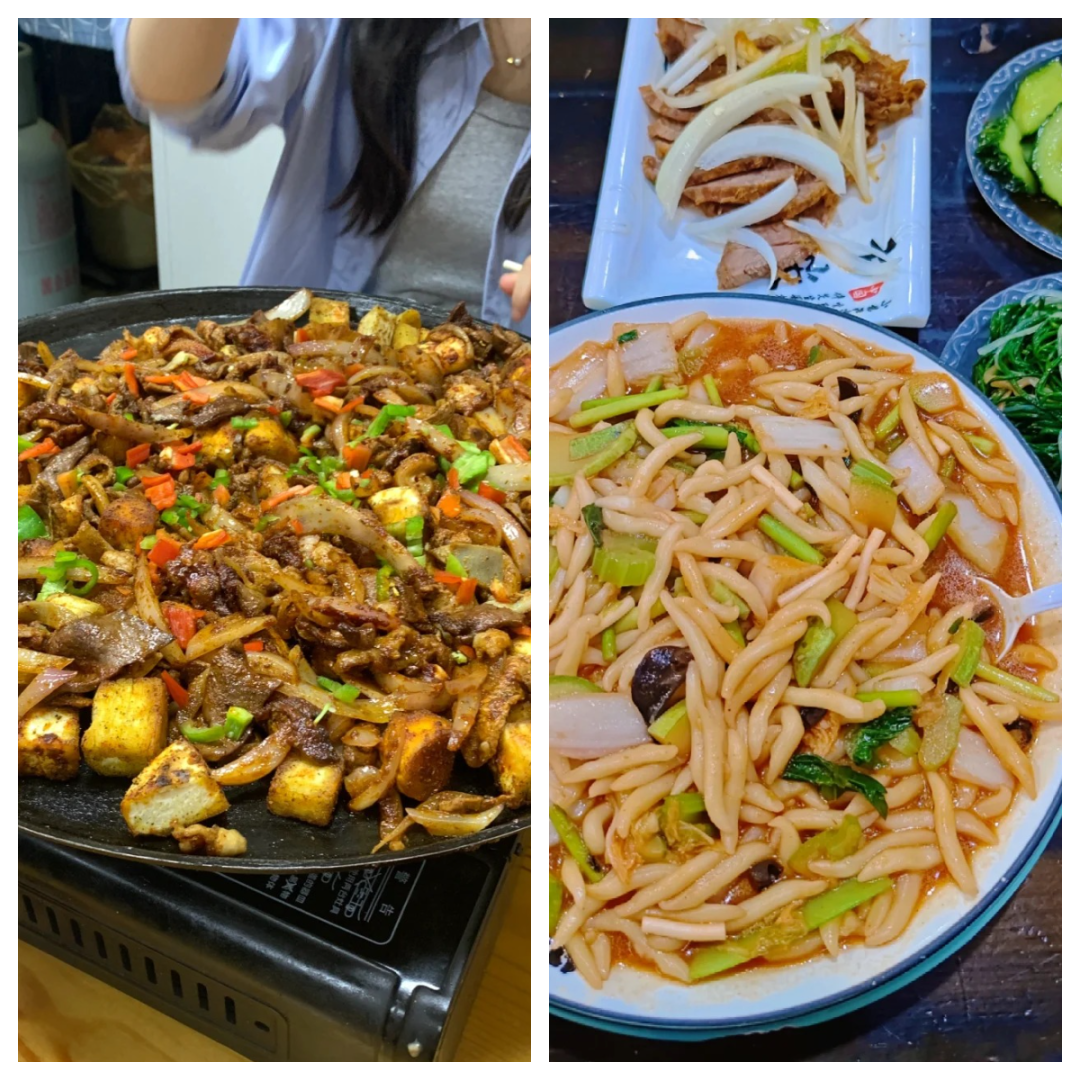
Zhangye's “fish-shaped noodles” resemble tiny fish and can be stir-fried or stewed. The most stunning version is found in “milk and egg fermented rice porridge,” where the magical blend of sweet and savory flavors creates an irresistible taste. “Stir-fried Ba La” is the Hexi Corridor's version of teppanyaki. Lamb offal is stir-fried on an iron griddle with onions and chili peppers, served with crispy, savory flatbread—the soul of Northwest China's nighttime snacks.
3. Jiayuguan's Barbecue Scene
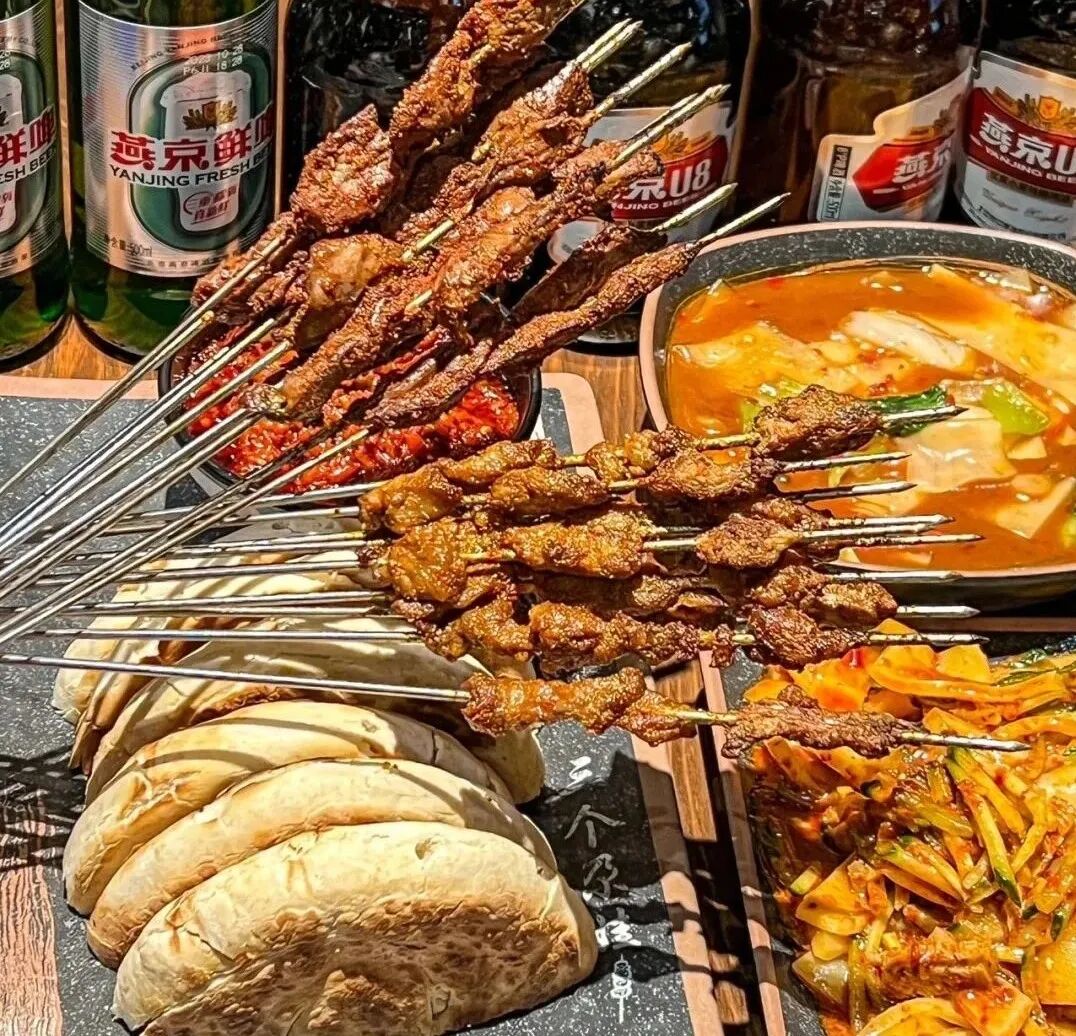
As a strategic stronghold along the Silk Road, Jiayuguan has elevated grilled meats to an art form. “Grilled lamb ribs” are crispy on the outside and tender within, “grilled lamb trotters” are rich in collagen, “grilled flatbread slices” are generously sprinkled with cumin, and the ultimate treat is “grilled lamb skin”—crispy like potato chips yet infused with a deep, savory fat aroma. Sitting at a barbecue stall beneath the fortress walls, tucking into these delights with a cold Yellow River Beer, you might just hear the echoes of camel bells from a thousand years ago.
III. Must-Try Roadside Snacks
Sweet Fermented Barley: The Qinghai-Tibet Plateau's “wine-like brew,” made from fermented barley, offering a refreshingly mild buzz.
Fermented Wheat Noodles: Thicker than cold noodles, topped with mustard sauce and sesame paste for a tangy, spicy kick that whets the appetite.
Dog Pee Oil Cake: A name that sounds shocking but is actually delicious. Named for the oil-drizzling technique used during preparation.
Apricot Peel Water: A Dunhuang specialty made by simmering dried Li Guang apricots, offering a sweet-and-sour taste that cuts through richness.
Milk and Egg Rice Wine: A Northwest-style dessert where the milky aroma and wine fragrance blend perfectly.
Food is the warmest memory of a journey.
When cameras overflow with landscapes and memories brim with tales, what lingers most in our hearts is often the aroma wafting from a street corner, the bustling clamor of a small eatery, or the surprise delight of a single dish. These delicacies along the Qinghai-Gansu Grand Loop aren't merely sustenance—they're keys to unlocking Northwest China's culture. Through their simplest forms, they whisper: As vast as this land stretches, so warm are the hearts of its people.