Some say that if you haven't sampled these ten dishes during your visit to Sichuan, it's like you never came at all. As one of China's four major culinary traditions, Sichuan cuisine captivates global palates with its unique charm—each dish a distinct creation, every dish a unique flavor. Today, we'll take you on a journey through the top ten signature dishes of Sichuan cuisine. How many have you tried?
I. Mapo Tofu: The Ultimate Aesthetic of Spicy Cuisine
Status: A flagship dish of Sichuan cuisine, hailed as the “ultimate aesthetic of spicy cuisine.”
Characteristics: This dish embodies eight defining qualities: numbing, spicy, piping hot, fragrant, crispy, tender, savory, and vibrant. The tofu melts in your mouth, while crispy beef adds a perfect finishing touch. The glossy red sauce coating rice creates a carb bomb.
Origin Story: Originating from Chen Mapo Tofu Restaurant near Chengdu's Wanfu Bridge during the Tongzhi era of the Qing Dynasty, it has been passed down through seven generations. Its traditional preparation method is listed as Intangible Cultural Heritage. Back then, porters resting by Wanfu Bridge brought tofu and beef, which Mrs. Chen casually cooked. Little did she know this simple act would create a timeless culinary masterpiece.
II. Twice-Cooked Pork: The Soul of Sichuan Cuisine, the Ultimate Home-Style Delight
Status: The “King of Home-Style Dishes” in Sichuan cuisine, hailed as its “Soul.”
Characteristics: Premium pork belly is simmered until 70% cooked, then sliced and stir-fried with garlic shoots and green peppers in fermented bean paste. The fat renders into translucent oil, while the lean meat remains tender and springy. The savory, mildly spicy flavor reveals a lingering sweetness.
Origin: Originated in rural areas during the Northern Song Dynasty. By the late Qing Dynasty, a scholar from Chengdu refined it into a steamed preparation, establishing the modern prototype. It is a mandatory dish in Sichuan cuisine certification exams, underscoring its iconic status.
III. Kung Pao Chicken: Global Superstar, Art of Flavor Balance
Status: One of Sichuan cuisine's most internationally renowned dishes, the “traffic magnet” of overseas Chinese restaurants.
Characteristics: The “lychee flavor profile” balances sweet, sour, and spicy notes, while tender chicken cubes contrast delightfully with crispy peanuts.
History: Adapted by Qing Dynasty Sichuan Governor Ding Baozhen from Shandong's “Braised Chicken Cubes in Soy Sauce,” it earned its name from his official title “Prince Tutor.” Interestingly, this dish was simultaneously listed among the “Top Ten Famous Dishes” by Sichuan, Shandong, and Guizhou provinces in 2018, underscoring its immense influence.
IV. Fish-Fragrant Shredded Pork: Fishless Yet Fishy, A Taste Sensation
Status: Tianfu Famous Dish by the Department of Commerce; Most Renowned Dish on Douyin Encyclopedia.
Features: Fish-free yet exuding fishy aroma, this dish blends pickled peppers, sweet-and-sour sauce, and ginger-garlic in perfect proportions to create a complex flavor profile. Tender pork shreds paired with crisp wood ear mushrooms epitomize the pinnacle of Sichuan seasoning artistry.
Innovation: A Michelin-starred chef in New York marveled at its “magic of taste.” Recent years have seen spin-offs like Fish-Flavored Eggplant and Fish-Flavored Shrimp.
V. Husband and Wife Lung Slices: The King of Cold Dishes, the Pinnacle of Cold Platters
Status: Included in UNESCO's Representative List of the Intangible Cultural Heritage of Humanity.
Features: Braised beef tongue, beef heart, and other ingredients are sliced thinly, then drizzled with a secret chili oil. The dish boasts a numbing spiciness, rich aroma, and delicate flavor. Its feather-thin knife work is hailed by Sichuan cuisine masters as the “pinnacle of cold platters.”
Origin Story: In the 1930s, Chengdu couple Guo Zhaohua sold beef offal on the streets. Their generous portions and exquisite seasoning earned them fame. What began as a street snack has evolved into an upscale platter of premium ingredients.
VI. Boiled Beef in Spicy Oil: Scorching Hot, Wildly Bold
Status: Signature dish of Zigong's Salt Merchant Cuisine.
Features: Sliced beef tenderloin coated in egg white batter, blanched in boiling rapeseed oil, then topped with dried chili peppers and Sichuan peppercorns before being doused with sizzling hot oil to release its aroma. Delivers a perfect quadruple sensation of numbing, spicy, tender, and piping hot.
Rough-and-tumble Spirit: Originating from the rustic eating habits of late Qing Dynasty salt workers, the accompanying bean sprouts and Chinese cabbage, drenched in red oil, are even more sought-after than the meat itself. This dish serves as the ultimate test of a Sichuan chef's skill.
VII. Boiled Cabbage: A State Banquet Delicacy, Where Great Skill Appears Simple
Status: Signature dish of state banquets, a “legend of freshness” that defies Sichuan cuisine's spicy-hot reputation.
Features: A broth simmered for 12 hours with old hen and ham, strained until crystal clear. Only the tender inner leaves of cabbage hearts are used, revealing a delicate freshness infused with the ham's rich depth.
VIII. Garlic-Dipped Pork Belly: Mastery of Delicacy and Precision
Specialty: Thinly sliced pork belly, tender as a cicada's wing, dipped in garlic paste and chili oil. Rich yet not greasy, this dish tests the balance of knife skills and seasoning, hailed as “the epitome of conquering toughness with tenderness.”
Origin: Evolved from the Qing Dynasty imperial dish “Jumping God Meat.” Chengdu's time-honored “Pan Sun Market” offers limited daily servings with a 45% repeat purchase rate.
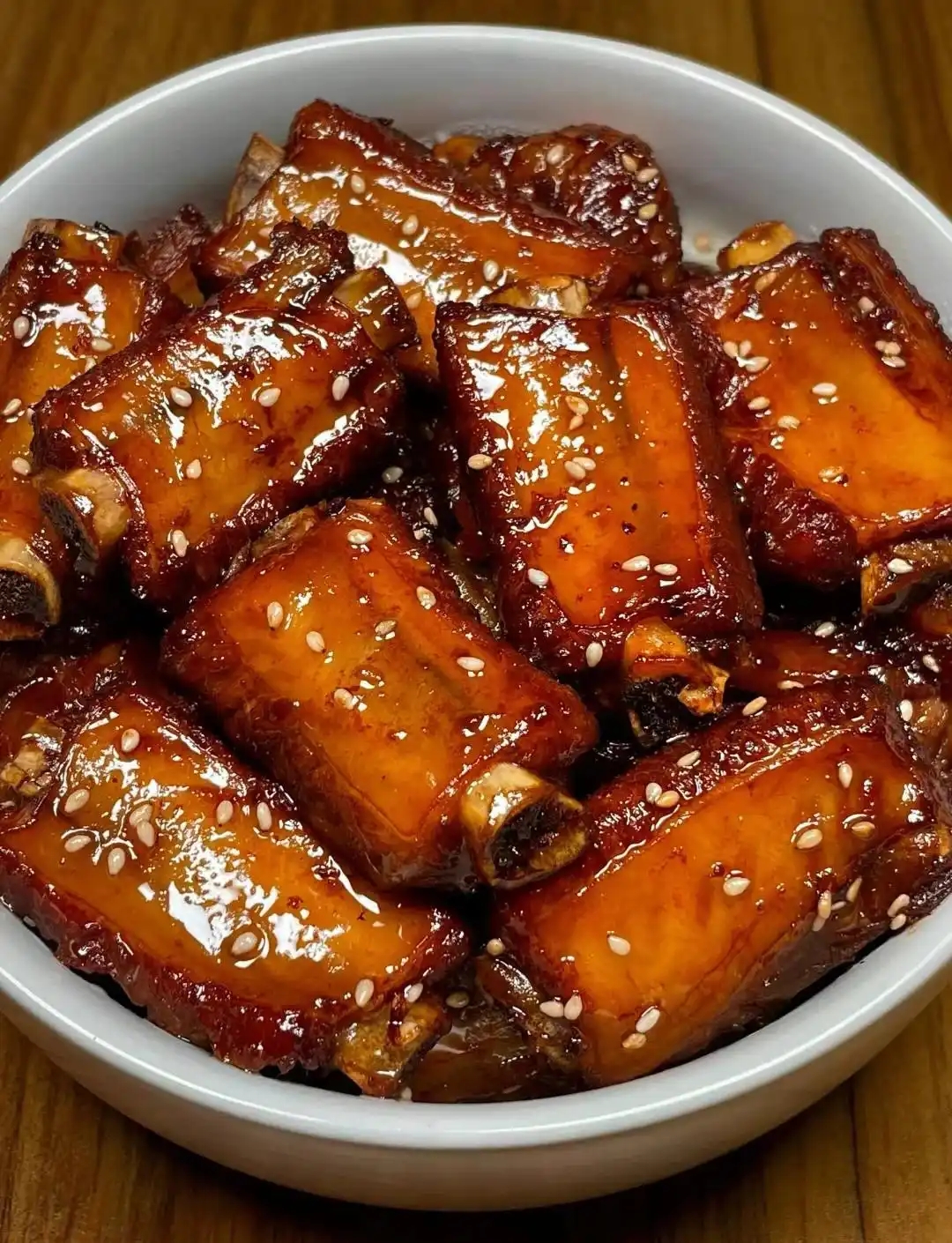
IX. Sweet and Sour Pork Ribs: Rich, Oily Sauce, Sweet and Tangy Flavor
Characteristics: Bright red color, sweet and tangy flavor with a rich depth. The ribs are crispy on the outside and tender on the inside. Mastering the caramelization of sugar and precise heat control during sauce reduction is essential. This dish epitomizes the “rich, oily sauce” style of Sichuan cuisine.
X. Spicy-Sour Chicken Strips: Seven Flavors in One, the Pinnacle of Complex Flavor Profiles
Status: The epitome of Sichuan cuisine's intricate “complex flavor profiles.”
Characteristics: Combines seven distinct flavors—salty, sweet, numbing, spicy, savory, aromatic, and sour—into one dish. The chilled chicken strips offer a refreshing bite, while the dipping sauce must be freshly prepared and used immediately.
Origin: Derived from Leshan's “Zhou Chicken,” famously enjoyed by figures like Zhu De and Chen Yi. Now includes variations like Spicy-Sour Rabbit Cubes and Spicy-Sour Peanuts.
Sichuan Culinary Tourism Map
Regional Variations: Sichuan cuisine branches into Chengdu, Chongqing, Zigong, and other regional styles. While Zigong Cold-Served Rabbit and Leshan Bowl Chicken didn't make the top ten, they remain must-try local delicacies.
Pairing Strategy: To fully experience Sichuan cuisine's essence of “a hundred dishes, a hundred flavors,” pair spicy-numbing dishes like Husband and Wife Lung Slices with fish-flavored dishes like Shredded Pork with Fish Sauce, and light-flavored dishes like Blanched Cabbage.
Global Impact: Notably, over 300,000 Sichuan restaurants operate worldwide, with dishes like Kung Pao Chicken and Mapo Tofu becoming symbols of Chinese culture.
Whether it's the bold, spicy, and aromatic street food or the delicate, refined dishes served at state banquets, Sichuan cuisine consistently captivates the world with its inclusivity and innovation, showcasing the unique charm of “China's culinary heart lies in Sichuan.” When visiting Sichuan, follow this guide to savor these ten classic dishes—your taste buds will thank you for the journey.