When people think of Northwest China, most envision the vastness of the Gobi Desert, grasslands, and loess plateaus. Yet few realize that this rugged land hides China's most “rustic” cuisine—Northwestern Chinese dishes. Unlike the delicate elegance of Jiangnan cuisine or the fiery intensity of Sichuan and Hunan dishes, it conquers taste buds with its “substantial, bold, and authentic” flavors. Every bite carries the rich depth tempered by wind and sand, along with the straightforwardness of nomadic peoples. Today, we'll explore the top ten representative dishes of Northwest cuisine, each embodying the hometown flavors deeply ingrained in the DNA of Northwest locals.
1. Lanzhou Beef Noodles: The Northwest's Morning Ritual.
If there's a “face of Northwest cuisine,” Lanzhou Beef Noodles undoubtedly takes the crown. It's not merely “noodles with beef,” but a meticulously crafted ritual—the “Five Essentials” are rules ingrained in every noodle-maker's soul: 1. Clear Broth: Simmered for 8 hours with beef bones, cardamom, and Sichuan peppercorns, it's rich yet refreshingly light; Two Whites: snow-white radish slices soaked in the broth's aroma; Three Reds: the soul-stirring chili oil, fiery yet smooth, its fragrance piercing the nostrils; Four Greens: vibrant garlic shoots and cilantro, adding refreshing notes; Five Yellows: hand-pulled noodles gleaming golden yellow—round, flat, thin, or medium-thin, customized to preference, offering a satisfyingly chewy bite.
In Lanzhou, the aroma of beef noodle soup always wafts through the streets at dawn. Locals squat outside shops, slurping noodles and sipping every last drop of broth before starting their day. This bowl of noodles embodies the Northwest's most down-to-earth interpretation of “substance.”
2. Hand-Gripped Lamb: The Steppe's Generous Gift.
With vast grasslands dominating the northwest, mutton naturally reigns as the “star ingredient.” Hand-pulled mutton represents the most “respectful” way to prepare it. Selected rib meat from Ningxia Tan sheep or Inner Mongolian lamb is simmered slowly in clear water with ginger slices and scallion segments, without excessive seasoning. Cooked until the meat shreds effortlessly, it's dipped in salt or garlic paste. Each bite reveals tender, succulent lamb with not a hint of gaminess.
In the past, herders would boil lamb in iron pots while tending their flocks on the grasslands, eating it directly with their hands. This “grassland eating style” later became a classic of Northwest cuisine. Today, when hand-pulled lamb is served in Northwest restaurants, it still carries that unpretentious, down-to-earth charm—no chopsticks needed, just dig in with your hands for the full flavor.
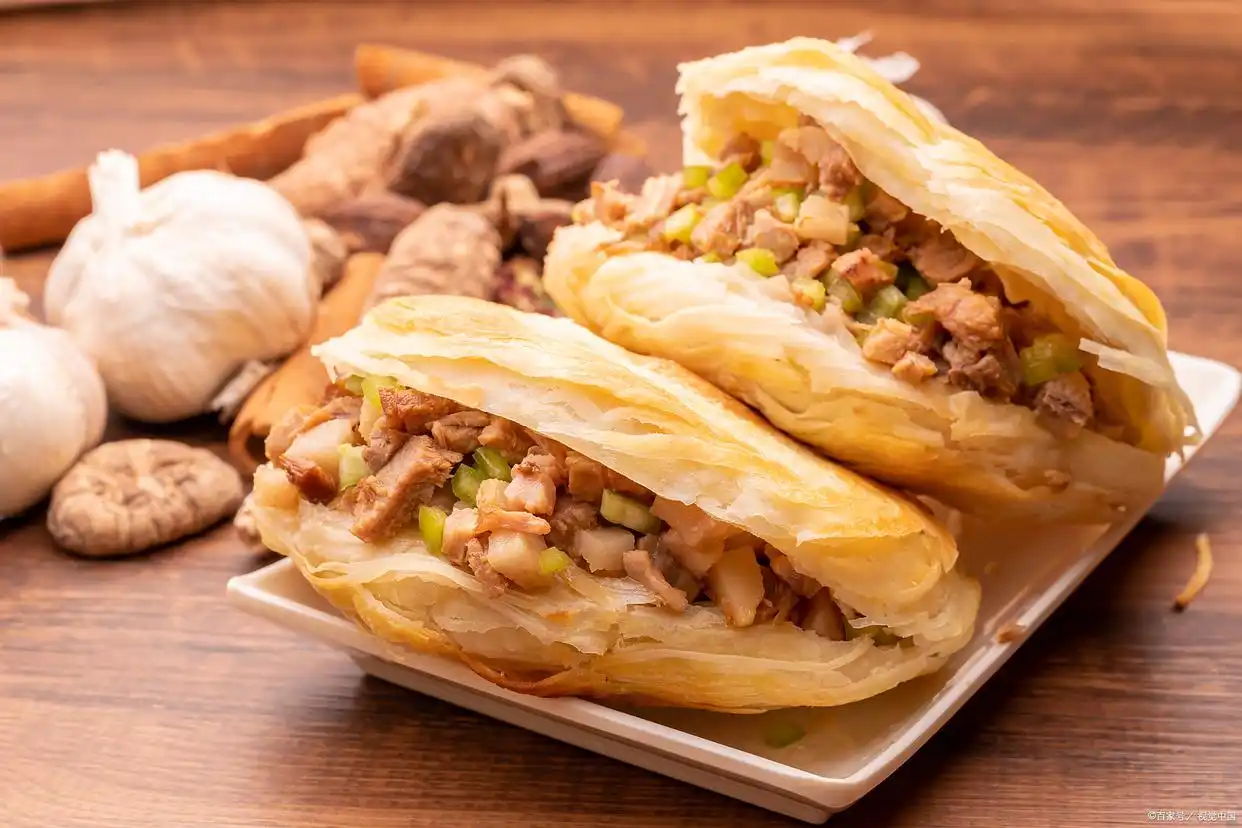
3. Roujiamo: Shaanxi's “Mobile Breakfast.”
“Roujiamo, roujiamo, meat tucked inside the bun”—this catchy rhyme captures the essence of roujiamo. Its soul lies in two elements: First, the braised pork belly. Slow-cooked for hours with star anise, cinnamon, bay leaves, and over a dozen other spices, the meat becomes meltingly tender and flavorful. It shreds effortlessly with chopsticks, each bite bursting with rich, savory oiliness. Second is the Baiji bread, made by fermenting flour dough and then pan-frying it. Its crust is crispy, while the interior is soft and fluffy, with layers of air pockets that perfectly soak up the meat juices.
Finely chop the braised pork and stuff it into a freshly baked Baiji bread. The aroma of meat mingles with the bread's fragrance. With one bite, the crispy crust, tender meat, and rich juices blend in your mouth. It's both a Shaanxi breakfast staple and a “mobile snack” for travelers on the go. Though roujiamo has gained nationwide popularity, the most authentic version remains in Shaanxi—where the meat must be plentiful, the bread exceptionally crisp, and crumbs flying with every bite.
4. Big Plate Chicken: Xinjiang's “Hardcore Dish”
Da Pan Ji is the most “lively” dish in Northwest cuisine—served on a platter larger than your face, it's packed with tender stewed chicken, potatoes soaked in broth, crisp green peppers, and wide belt-shaped noodles underneath. It takes up half the table and is perfect for sharing among friends, creating a bustling atmosphere.
Its flavor profile is “savory with a kick, spicy with a fragrance”: chicken is stir-fried with Xinjiang chili peppers and Sichuan peppercorns until aromatic, then slow-cooked with potatoes until they fall apart at the touch, soaking up the chicken's richness and the chili's fragrance. Finally, belt noodles are added, coating themselves in the broth. Each bite delivers a satisfying heat and a savory, appetite-whetting flavor. The dish's origins carry a rustic charm—legend has it that Xinjiang truck drivers once dined at roadside eateries where owners stewed chicken and potatoes together in large platters for easy sharing. Over time, this simple offering evolved into a culinary classic, now serving as Xinjiang cuisine's signature dish found everywhere.
5. Oil-Drizzled Noodles: Shaanxi's “Refreshing Delight”
Oil-Drizzled Noodles embody Shaanxi's pursuit of “simple yet delicious” perfection—a bowl of noodles, a few greens, a spoonful of chili paste, and a splash of hot oil create an unforgettable dish. The method is straightforward: Boil the noodles, drain them into a bowl, add minced garlic, chopped scallions, chili powder, salt, and light soy sauce. Then, heat a spoonful of piping hot rapeseed oil until it sizzles. Pour it over the chili powder with a loud “sizzle,” releasing an instant burst of aroma. Toss everything together and serve.
Though seemingly simple, it hides the “art of timing”: Choose wide noodles, cooked until al dente yet still chewy; the oil must be sufficiently hot to ignite the chili powder's fragrance; salt and light soy sauce must be perfectly balanced—enhancing flavor without overpowering the noodles' natural taste. Eating Youpo Noodles demands speed—slurp them up before the oil's fragrance dissipates. The heat makes your forehead sweat, yet you can't stop. This is the Shaanxi spirit: straightforward, delivering pure, unadorned deliciousness.
6. Roast Whole Lamb: The Steppe's “Feast Staple.”
If hand-pulled lamb is an everyday delight, then whole roasted lamb is the grand feast dish of Northwest China, reserved only for important celebrations or special guests. A whole lamb is carefully selected, marinated for hours in salt, cumin, Sichuan peppercorns, onions, and other spices, then slowly roasted over charcoal. Throughout the process, it's constantly basted with oil and turned until the skin turns golden and crispy, while the meat inside remains tender and juicy. When sliced, the rich juices flow down the knife blade, and the aroma wafts dozens of meters.
In the past, when herders on the grasslands celebrated harvests or festivals, they would slaughter a sheep, build a bonfire, and roast it whole. Everyone would gather around, eating meat, drinking wine, and singing songs—the liveliest scene imaginable. Today, whole roasted lamb has become a signature dish in Northwest Chinese restaurants. When served, its golden crust and tender meat, paired with pepper salt or cumin powder, deliver every bite of the grasslands' bold, hearty flavor.
7. Tangy Noodles: The Northwest's “Summer Remedy”
Though Northwest summers aren't as humid as those in the south, the midday sun can still be scorching. That's when locals serve up a bowl of fermented vegetable broth noodles—perfect for cutting through richness and cooling down. Jiangshui is made by fermenting vegetables like celery and cabbage in wheat-based broth, resulting in a tangy yet aromatic, refreshingly appetizing liquid. Cooked noodles are tossed into this fermented broth, topped with scallions, cilantro, and a few drops of sesame oil—and the dish is complete.
This dish must be paired with “cold vegetable salads”—such as shredded potato or cucumber salad. The tangy, aromatic fermented broth complements the refreshing cold vegetables, banishing summer heat with every bite. Fermented broth noodles embody the “home-cooked flavor” of Northwest China. Whether in rural villages or urban kitchens, they grace summer tables year-round. Though not as “glamorous” as other dishes, they understand the Northwest palate best.
8. Naan Pit Meat: Xinjiang's “King of Grilled Meat.”
In Xinjiang, grilled meat isn't limited to lamb skewers—there's also “naan pit meat.” Cooked using the residual heat of a naan oven, it emerges more tender and flavorful than traditional skewered lamb. Premium lamb leg is cut into large chunks, marinated with salt, cumin, chili powder, egg, and flour, then hung inside the naan oven. Slowly roasted by the oven's intense heat and charcoal aroma, it turns golden brown with a slightly crispy exterior and remains juicy inside.
The defining feature of naan pit meat is its size—each piece larger than a fist. Take a bite: the crust carries the smoky charcoal aroma, while the interior remains tender and succulent. The flavors of cumin and chili permeate every fiber, leaving no trace of gaminess. When eating naan pit meat, don't be polite—grab it with your hands, take big bites of meat, and drink heartily. That's the true “Xinjiang” way.
9. Shaozi Noodles: Shaanxi's “Longevity Noodles”
Shaozi noodles are a traditional Shaanxi dish and a must-eat “longevity noodle” during festivals, weddings, and funerals. Its soul lies in the “saozi” sauce—made by dicing pork belly, potatoes, carrots, tofu, and wood ear mushrooms, then stir-frying them with soy sauce, vinegar, Sichuan peppercorns, and other seasonings until fragrant. This mixture is then simmered in broth until the ingredients are tender and the sauce thickens into a rich, flavorful base. Select thin noodles, cook them, and place them in a bowl. Ladle the saozi over the noodles, then sprinkle with chopped scallions and cilantro to complete the dish.
Saozi noodles are characterized by their “sour, spicy, fragrant, and savory” profile—the sourness whets the appetite, the spiciness delivers a satisfying kick, the fragrance is rich, and the savory notes are deep and mellow. In Shaanxi, there's an unspoken rule for eating saozi noodles: “Eat the noodles, not the broth.” After finishing your noodles, return the bowl to the server, who will refill it with saozi sauce until you're satisfied. This practice, known as “flowing banquet,” reflects the warm hospitality of Shaanxi locals.
10. Braised Lamb in Yellow Sauce: Ningxia's “Body-Warming Wonder.”
In the bone-chilling winters of Northwest China, a bowl of braised mutton is the ultimate “body-warming wonder.” Premium Ningxia Tan sheep meat is cut into large chunks, blanched in boiling water to remove impurities, then stir-fried with ginger, scallions, Sichuan peppercorns, star anise, and other spices until fragrant. Broth, soy sauce, cooking wine, and other seasonings are added, and the mixture is slowly simmered for 1-2 hours until the mutton is tender and flavorful. The sauce thickens beautifully. Finally, potatoes and carrots are added and simmered until tender. A bowl of braised mutton is ready.
The flavor of braised lamb is “salty, savory, and rich”—the lamb is tender without being dry, the broth is thick and delicious, and the potatoes and carrots absorb the lamb's aroma. With one bite, warmth spreads from your stomach throughout your body, instantly banishing the cold. Ningxia Tan sheep are renowned for their “tender meat without gaminess.” Thus, braised mutton requires minimal seasoning to achieve its delicious flavor—truly, “quality ingredients create exceptional taste.”