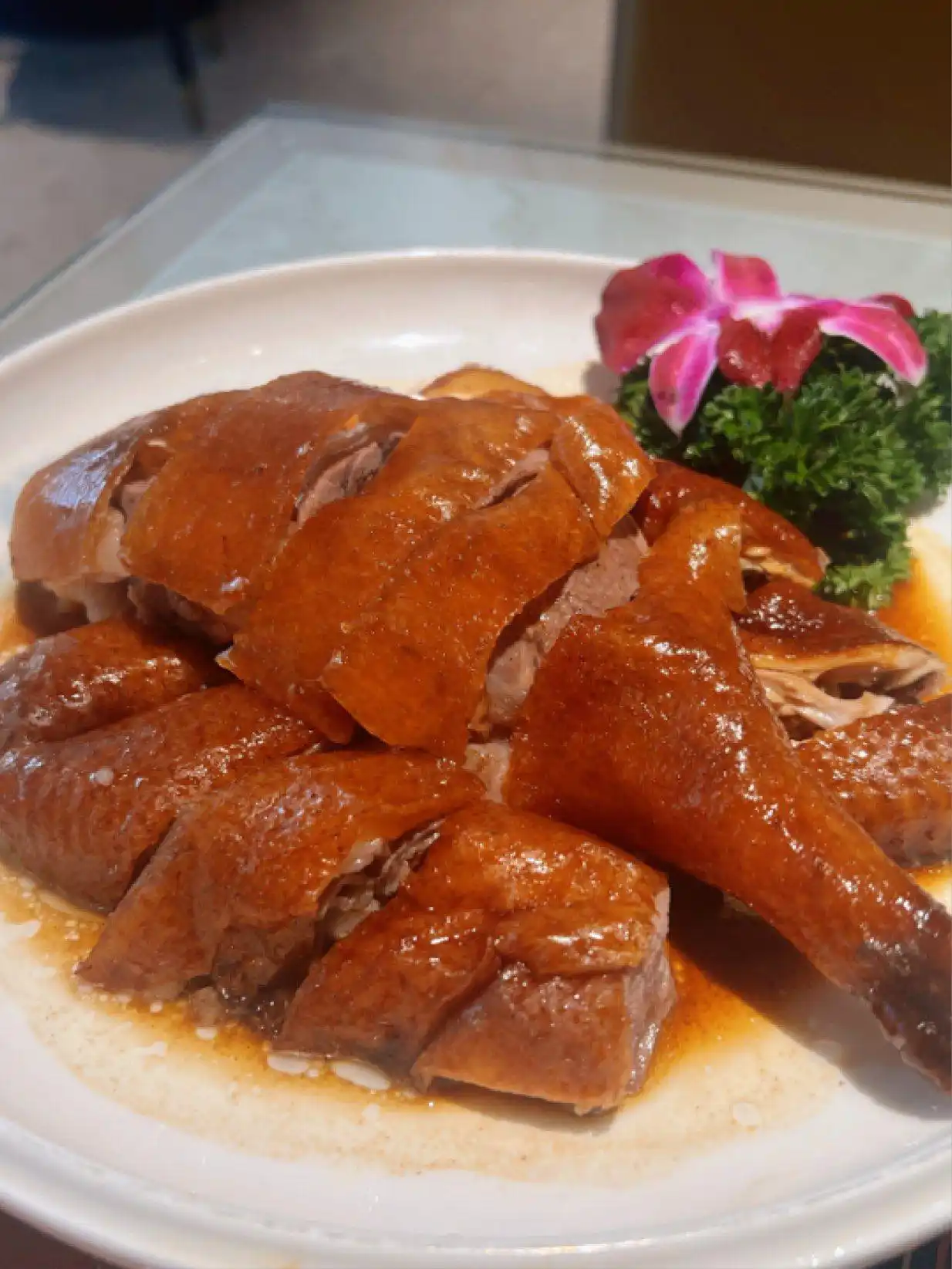
Top 10 Famous Cantonese Dishes! Why Is Poached Chicken Only Number Two? The Top Spot Truly Deserves Its Place!
Cantonese cuisine is renowned for its essence, and these ten dishes epitomize its finest flavors!
As the saying goes, “The food is in Guangdong.” As one of China's four major culinary traditions, Cantonese cuisine has conquered the palates of diners worldwide with its unique flavors: light, fresh, tender, smooth, crisp, and fragrant. Today, we'll take you on a journey to discover the charm of Cantonese cuisine's top ten signature dishes, revealing the cultural stories behind them and must-visit culinary destinations!
I. Crispy Roast Goose: The “Soul” of Cantonese Roasted Meats
Hailed as one of China's culinary masterpieces alongside Beijing Roast Duck, Crispy Roast Goose tops the list of Guangdong's Ten Classic Dishes by the China Cuisine Association. Authentic roast goose uses Qingyuan black-feathered geese, roasted over an open flame with lychee wood. The skin becomes crispy like amber, while the meat remains tender and juicy.
Cultural Story: Qing Dynasty records in “Lingnan Cuisine” note roast goose was already a banquet highlight. Hong Kong's Wing Kee Restaurant gained fame for its “Flying Roast Goose,” famously flown overseas for international guests.
II. White-Cut Chicken: The “Supreme Art” of Cantonese Poultry Cuisine
Included in Guangdong's Intangible Cultural Heritage list in 2018. White-cut chicken embodies the philosophy of “preserving the chicken's natural flavor.” Using Qingyuan or Sanhuang chickens, it is poached in “shrimp-eye water” (approximately 90°C) until just cooked through, resulting in crisp skin, tender meat, and bones with traces of blood.
Cultural Story: In Guangdong, the custom of “no banquet is complete without chicken” has deep historical roots. The art of preparing white-cut chicken embodies Cantonese cuisine's utmost respect for the inherent flavor of ingredients.
III. Steamed Grouper: The Benchmark of Seafood Cooking
The pinnacle of Cantonese steaming techniques, this dish uses a 1.2-pound Eastern grouper steamed over high heat for 7 minutes. The flesh forms garlic-clove-like segments, tender and fresh with no fishy odor.
Cultural Story: The Qing Dynasty text New Discourses on Guangdong records: “When Cantonese people eat fish, freshness is paramount.” Steaming is the most perfect interpretation of this “freshness” in Lingnan culinary culture.
IV. Open-Flame Roasted Suckling Pig: A Feast with Three Thousand Years of Heritage
Originating from the Western Zhou Dynasty's “roasting piglet” technique, it stands as a signature dish of the Manchu-Han Imperial Feast, epitomizing the culinary principle of “duck in the north, pig in the south.” Offered in “glazed skin” and “rough skin” varieties, its crust shimmers like glass while the meat remains tender and the bones melt-in-mouth.
Cultural Story: In traditional Guangdong wedding banquets, roasted suckling pig is an indispensable dish, symbolizing a prosperous life for the newlyweds and the early arrival of precious offspring.
V. Honey-Glazed Char Siu: A Masterpiece of Sweet-Savory Harmony
Made from marinated pork shoulder, coated in amber honey glaze, and revealing a “rose-core” interior—a perfect blend of sweet and savory. Hong Kong's Wing Kee Restaurant is renowned for its Michelin-recommended “Flying Char Siu.”
Cultural Story: Char siu traces its roots to the “roasted meat” of the Tang and Song dynasties, evolving over millennia into a classic of Cantonese roast meats.
VI. Chaoshan Braised Goose: The “Bible of Braised Delicacies” in Chaoshan Cuisine
Made primarily from lionhead geese, braised for hours with over a dozen spices, the meat becomes tender and flavorful, while the liver turns velvety smooth. In Chaoshan, “no feast is complete without goose” is a fundamental etiquette for hosting guests.
Cultural Story: The technique for Chaozhou braised goose originated with Central Plains migrants during the Song Dynasty, who adapted local ingredients to create this dish—a fusion of immigrant culture and culinary wisdom.
VII. Hakka Stuffed Tofu: The Taste of Hakka Nostalgia
One of the Hakka “Three Treasures,” this dish traces its roots to Central Plains dumpling culture, adapted by Hakka migrants to local conditions during their travels. Pork filling is stuffed into tofu, pan-fried until golden, then braised. The tofu remains tender and smooth, while the filling is savory and fragrant.
Cultural Story: As Hakkas migrated south from the Central Plains, wheat was scarce in Lingnan. They substituted tofu for wheat flour wrappers, creating stuffed tofu as a vessel for their homesickness.
VIII. Salt-Baked Chicken: Three Centuries of Hakka Wisdom
With over 300 years of history, this dish embodies the Hakka people's ingenuity in preserving food during migration through salt-baking. Whole chickens are wrapped in coarse salt and steamed, resulting in firm, savory meat with crispy skin and tender flesh.
Cultural Story: During the Ming and Qing dynasties, Hakka migrants preserved food through salt baking, accidentally creating this delicacy.
IX. Braised Pigeon: The Star of Dim Sum
Folk wisdom hails it as “one pigeon surpasses nine chickens,” making it a must-order staple in Guangdong teahouses. Pigeons are first braised then deep-fried, yielding amber-hued, crispy skin and succulent meat.
Cultural Story: Originating in the Qing Dynasty, this technique gained popularity with the rise of pigeon farming in the Pearl River Delta, becoming a new favorite at Cantonese banquets.
X. Sweet and Sour Pork: Cantonese Cuisine's Global Calling Card
Originally adapted for foreign palates, it now symbolizes Cantonese cuisine's worldwide influence. Crispy pork tenderloin coated in tangy-sweet sauce, offering a perfect contrast of crunchy exterior and tender interior with a glossy red sheen.
Cultural Story: In the 19th century, Guangdong immigrants opened restaurants overseas, creating this dish to suit foreign palates—pioneering Chinese cuisine's internationalization.
Cantonese Culinary Philosophy: The Wisdom of Simplicity and Purity
Cantonese cuisine's allure lies in its pursuit of the “essential flavor” of ingredients. The tender freshness of steamed fish, the purity of white-cut chicken, and the rich aroma of roasted meats—all reveal the soul of ingredients through minimalist techniques. Simultaneously, its diverse and inclusive nature makes it a microcosm of Chinese culinary culture.
Travel Tip: To savor authentic Cantonese cuisine, skip tourist-area chain restaurants and venture into old neighborhoods to find time-honored establishments. These are where you'll discover the truest flavors of Cantonese cooking. Morning tea hours (7:00 AM–11:00 AM) offer the prime opportunity to immerse yourself in Guangdong's culinary traditions.
From the luxurious abalone dishes served at high-end banquets to the stir-fried beef with rice noodles found on every street corner, each Cantonese dish embodies the culinary wisdom and taste memories of the Lingnan people. When visiting Guangdong, follow the trail and embark on a millennia-old flavor journey through your taste buds!